Egypt Overview
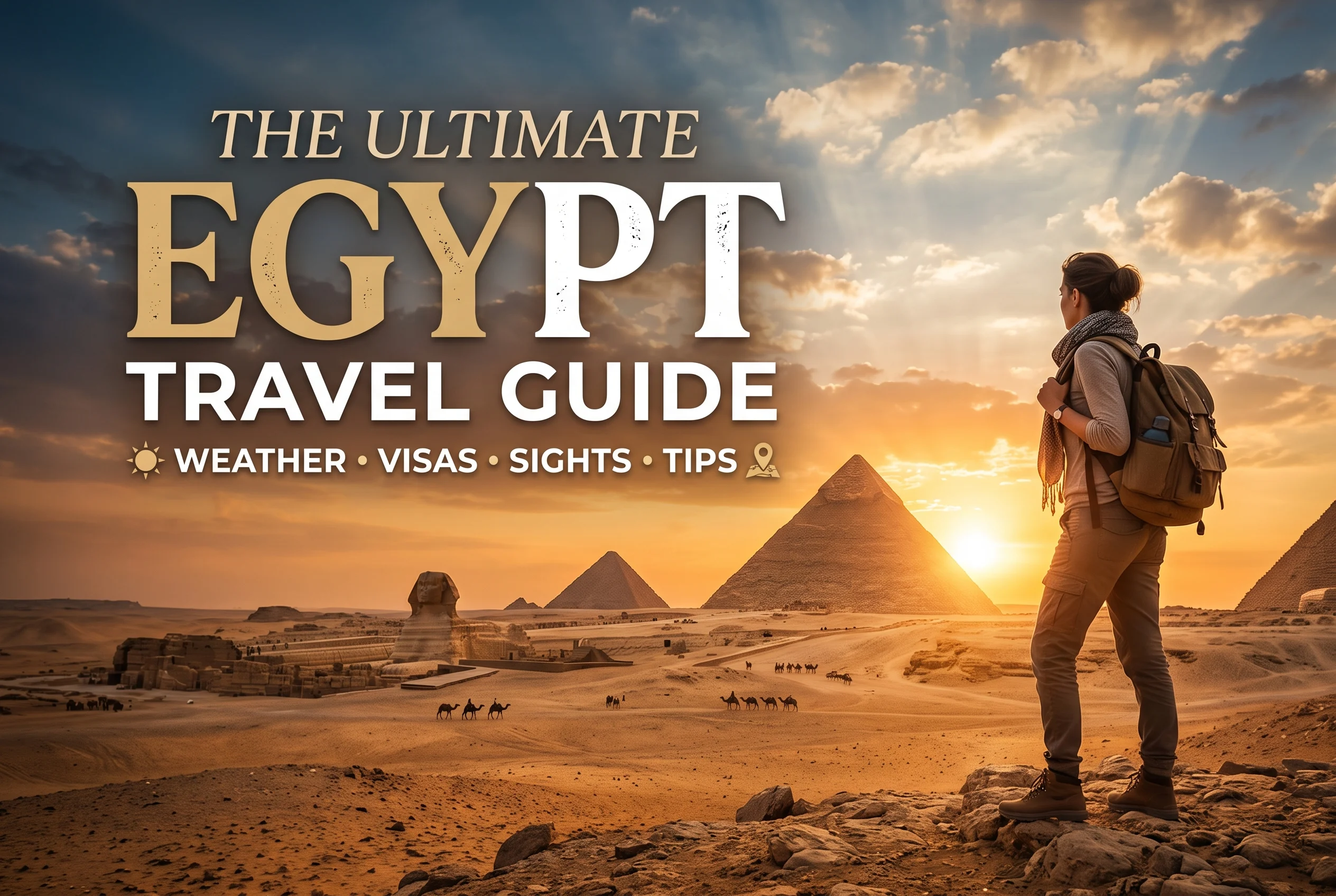
Egypt is a massive, sun-filled country located in the northeast corner of Africa, with a small piece of land (the Sinai Peninsula) connecting it to Asia. It is famous worldwide for being the home of one of the oldest and most fascinating civilizations in human history. Thousands of years ago, the Ancient Egyptians built the Great Pyramids, carved gigantic stone statues of their kings (Pharaohs), and wrote using picture-symbols called hieroglyphics.
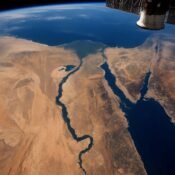
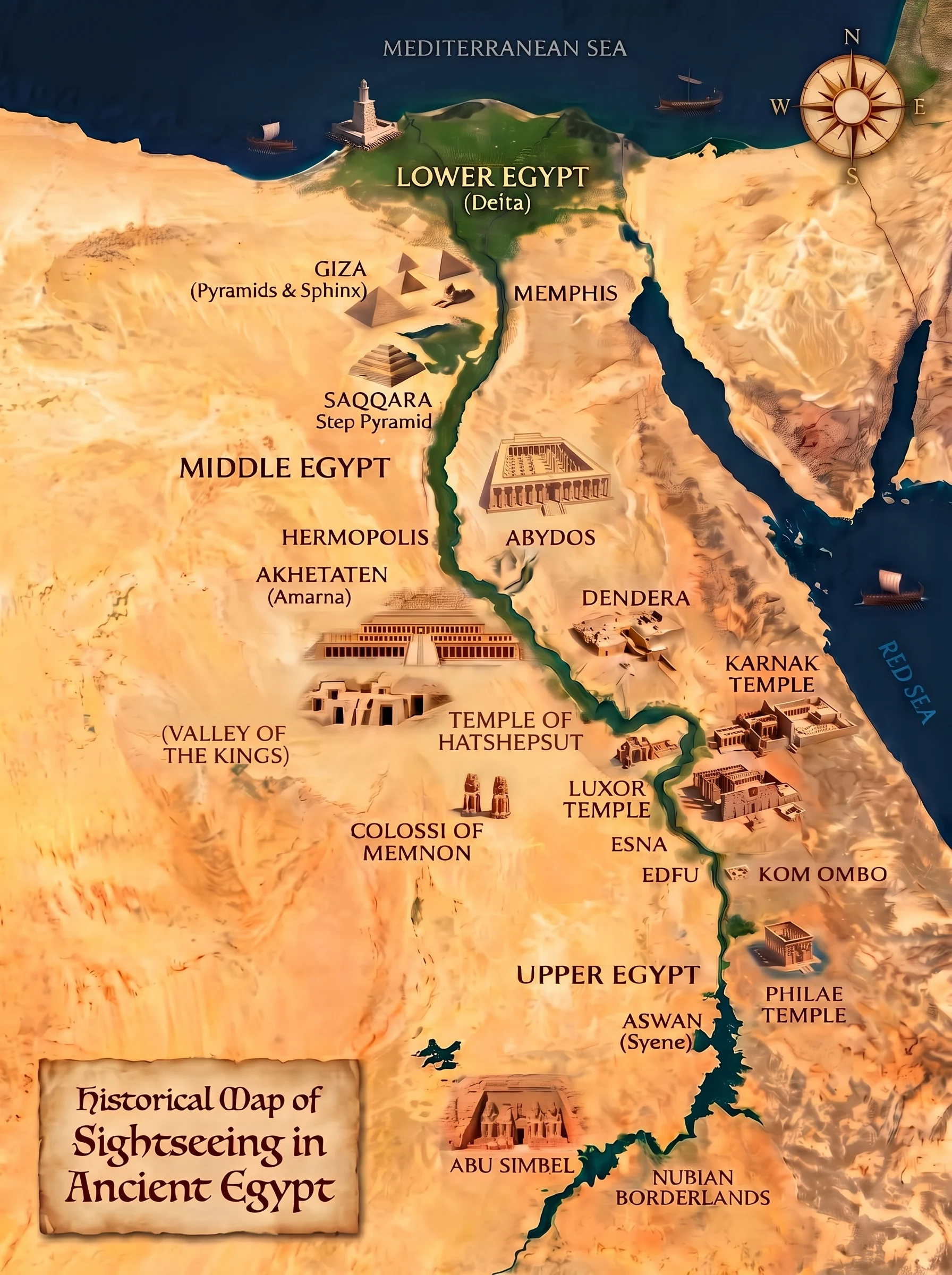
Today, Egypt is a spectacular modern travel destination. The country is split right down the middle by the famous Nile River, which provides water and green farm fields amidst a vast golden desert. Travelers come here for two main reasons: to explore the mind-blowing ancient ruins in the desert, and to relax at world-class, luxury beach resorts along the stunning coastline of the Red Sea.
Planning a holiday to Egypt can feel a bit overwhelming. With thousands of years of history, massive deserts, and a completely different culture, it is easy to get lost in the details. But traveling to Egypt does not have to be complicated.
This guide cuts through the historical jargon and complex travel logistics. We have gathered everything you need to know about visiting Egypt, from the weather and the latest visa rules to the best transportation and what to wear. Whether you are flying in from the UK, Germany, Poland, or Italy, this guide uses plain, crystal-clear language to help you plan the perfect trip.
What is the Weather Like? (The Best Time to Visit)
Egypt has a desert climate. This means it is almost always sunny and dry, but the temperatures change dramatically depending on the time of year you visit.
Winter (October to April)
This is the absolute best time to travel to Egypt. The weather is fantastic. During the day, it feels like a very pleasant, warm summer in Europe. The skies are blue, and the temperatures are perfect for walking around the pyramids and temples without getting exhausted.
- Daytime: Warm and comfortable.
- Nighttime: It can actually get surprisingly chilly, especially in the desert. You will definitely want to pack a light jacket or a sweater for the evenings.
Summer (May to September)
Summer in Egypt is extremely hot. In the southern cities like Luxor and Aswan, the temperatures frequently climb above 40°C.
- If you plan to visit historical sites in the summer, you must start your tours very early in the morning (around 6:00 AM) before the sun gets too intense.
- However, summer is a wonderful time to visit the coastal beach towns. The sea breezes keep the coast a bit cooler, making it the perfect season for swimming, snorkeling, and diving in the Red Sea.
Learn More>>> Egypt Weather Forecast Travel Guideline | Best Time to Visit Egypt
Top Tourist Destinations: Where Should You Go?
Egypt is huge, and you cannot see everything in one trip. Most travelers break the country down into a few main areas. Here are the top destinations you should consider for your itinerary:
1. Cairo and Giza (The Capital of History)
Cairo is the massive, bustling capital city of Egypt. It is loud, busy, and full of life. Right next to Cairo is the city of Giza, which sits on the edge of the desert.
- The Pyramids of Giza: This is where you will find the last remaining Wonder of the Ancient World. You can see the three massive pyramids and the Great Sphinx.
- The Museums: Cairo is home to incredible museums, including the brand-new Grand Egyptian Museum, which houses the solid gold treasures of King Tutankhamun.
What Are the Best Places to Visit in Cairo? | 10 Must-See Attractions
2. Luxor (The Open-Air Museum)
Located in southern Egypt along the Nile River, Luxor is often called the greatest open-air museum on the planet. It was the ancient capital of Egypt.
- Valley of the Kings: A secret valley hidden in the desert mountains where pharaohs were buried in deeply carved, colorful underground tombs.
- Karnak Temple: A massive temple complex featuring a forest of giant stone columns that will make you feel incredibly small.
Top Must-See Attractions in Luxor | Egypt
3. Aswan (The Peaceful River City)
Further south from Luxor is Aswan. The Nile River is at its most beautiful here, flowing past massive granite boulders and green islands. Aswan is slower, quieter, and more relaxing than Cairo or Luxor. It is also the starting point for trips to the magnificent Abu Simbel temples, which were carved directly into a mountain.
How to Visit Abu Simbel Temple in Egypt
4. The Red Sea Coast (Hurghada & Marsa Alam)
If you want a relaxing beach holiday, this is where you go. The Red Sea coast is lined with beautiful all-inclusive resorts.
- Hurghada: A lively coastal city with great nightlife, massive water parks, and excellent boat trips.
- Marsa Alam: A quieter, more pristine area further south. It is world-famous for having some of the best coral reefs and underwater wildlife in the world, including sea turtles and dolphins.
What to Do Around Marsa Alam? | Best Things to Do
5. The Mediterranean Coast (Marsa Matrouh)
Located on the northern coast of Egypt, places like Marsa Matrouh offer stunning white-sand beaches and crystal-clear turquoise waters. This area is very popular with locals during the summer months and offers a completely different vibe than the Red Sea.
Is Marsa Matruoh worth visiting? | Egypt’s Hidden Paradise
Essential Things to Do in Egypt
If you are planning your daily itinerary, make sure you do not miss these classic Egyptian experiences:
- Step Inside a Pyramid: You can actually buy a ticket to walk down a long, narrow tunnel right into the center of the Great Pyramid.
- Sail on the Nile River: You can take a simple, peaceful sunset ride on a traditional wooden sailboat called a felucca, or book a luxurious 4-day cruise ship that acts as a floating hotel between Luxor and Aswan.
- Snorkel or Dive the Red Sea: The water is perfectly clear, and the coral reefs are bursting with colorful fish. You do not need to be a professional diver; a simple snorkel and mask will let you see a magical underwater world.
- Explore a Local Market (Bazaar): Walk through the narrow, winding streets of a traditional market (like Khan el-Khalili in Cairo). It is a maze of sparkling lanterns, colorful spices, and handmade crafts.
Visa Requirements for European Travelers
Entering Egypt is generally a very smooth and easy process. Travelers from the UK, Poland, Italy, Germany, and most of the European Union are required to have a tourist visa to enter the country.
Your passport must be valid for at least 6 months from the day you arrive. You have two easy ways to get your visa:
- The E-Visa (Online): You can apply for and pay for your visa online through the official Egyptian government website before you leave home. They will email you a document that you print and show to passport control when you land.
- Visa on Arrival (At the Airport): You can easily buy your visa right when you land at the airport. Before you get in line for passport control, you will see small bank windows. You simply walk up, hand them your money, and they give you a visa sticker to put in your passport.
- Important Price Update: As of March 1, 2026, the fee for an emergency entry visa upon arrival at Egyptian ports increased from $25 to $30 USD, Euros & British Pounds, and it must be paid in cash.
- If you fly into Cairo International Airport, there are also new digital self-service machines where you can buy the visa with a credit card for $36 USD (which includes a $6 digital service fee).
Tip: If you are buying the visa on arrival at a bank counter, it is highly recommended to bring exact cash (USD, Euros, or British Pounds) because credit card machines are sometimes unavailable or have long lines.
Transportation: How to Get Around
Egypt is a very large country. Driving from Cairo in the north to Aswan in the south would take over 14 hours. Therefore, picking the right transportation is crucial.
- Internal Domestic Flights: This is the fastest and best way to travel long distances. A flight from Cairo to Luxor, Aswan, or Hurghada takes only about one hour.
- Private Transfers: When traveling shorter distances (like from the airport to your hotel, or from Hurghada to Luxor for a day trip), the safest and most comfortable option is to hire a private, air-conditioned van or car through a trusted tour company.
- Nile Cruises: A cruise is not just a hotel; it is a mode of transportation. The ship travels down the river at night, and you wake up parked at a new temple every morning.
- Uber: If you are staying in Cairo, the Uber app works incredibly well. It is cheap, safe, and removes the stress of trying to negotiate taxi prices in a foreign language.
Currency and Money Tips
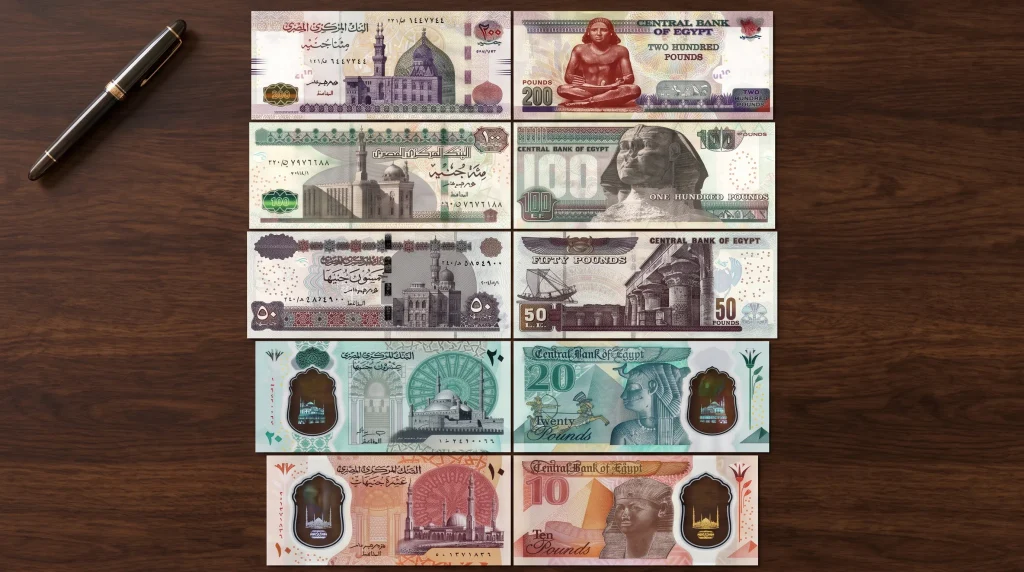
- Cash is Very Important: While large luxury hotels, modern supermarkets, and fancy restaurants will accept your Visa or Mastercard, Egypt is still very much a cash-based society. You will need paper Egyptian Pounds to pay for smaller things: buying water on the street, shopping at local markets, paying for a taxi, or leaving tips.
- ATMs are Everywhere: You do not need to bring thousands of pounds in cash from home. You will find modern ATMs everywhere in the cities, inside hotels, and even at the ancient temples. You can easily withdraw only Egyptian Pounds using your normal bank card.
- Tipping (Baksheesh): Tipping is a huge part of Egyptian culture. Because average wages are low, workers rely on tips. It is polite to leave a small tip for waiters, hotel cleaners, tour guides, and drivers who provide good service.
Culture, Etiquette, and Dress Code
Egypt is a predominantly Muslim country with strong, traditional values. The people are incredibly warm, welcoming, and famous for their hospitality toward tourists. Respecting their culture is easy and highly appreciated.
What to Wear
- At the Beach Resorts: If you are staying at a beach resort in Hurghada or Marsa Alam, normal western beach clothing is completely fine. You can wear shorts, tank tops, and swimsuits by the pool or on the beach.
- In the Cities and Temples: When you leave the beach and go into towns, markets, or ancient sights, you should dress modestly. Both men and women should wear loose, breathable clothing that covers the shoulders and the knees. T-shirts and lightweight trousers or long skirts are perfect.
- Visiting Mosques: If you want to go inside a beautiful, historic mosque, women will be asked to cover their hair with a scarf, and everyone must take their shoes off before stepping on the carpets.
The Golden Rules of Travel in Egypt (Dos and Don’ts)
To ensure you have a safe, healthy, and fun trip, remember these quick rules:
- DO drink bottled water. The tap water in Egypt is treated for locals, but your stomach is not used to the local minerals. Always drink sealed bottled water, and use it when brushing your teeth, just to be safe.
- DO protect yourself from the sun. The desert sun is intense. Wear high-SPF sunscreen, sunglasses, and a wide-brimmed hat every single day.
- DO haggle at the markets. When you are buying souvenirs at a street bazaar, the first price they tell you is not the real price. Negotiating is a friendly game in Egypt. Smile, be polite, and offer half the price to start.
- DON’T take photos of military or police. It is strictly against the law in Egypt to photograph police officers, soldiers, military buildings, or checkpoints. Keep your camera pointed at the temples and the beaches!
- DON’T pet the street dogs or cats. While many are friendly, they are wild animals and do not have vaccinations. It is best to admire them from a distance.
Frequently Asked Questions
Is Egypt safe for tourists?
Yes, Egypt is a very safe destination for tourists. Tourism is a massive part of their economy, so the government takes security very seriously. You will see tourist police stationed around all major hotels, airports, and historical sites to ensure visitors feel secure and comfortable.
What language do they speak?
The official language is Arabic. However, because Egypt relies heavily on European tourism, almost everyone you meet in the tourism industry (hotel staff, tour guides, shop owners) speaks excellent English. Many also speak German, Italian, and Polish.
Can I travel with kids?
Absolutely. Egyptians love children, and families are treated with incredible warmth. The big resorts on the Red Sea are practically designed for kids, featuring massive water slides, kids’ clubs, and shallow beaches. Just remember to pace your sightseeing days so children do not get overtired in the heat.
Planning a trip to Egypt is the start of an unforgettable adventure. By understanding the weather, respecting the local culture, and sorting out your visa and transportation ahead of time, you can focus entirely on making memories. From the shadow of the pyramids to the bright blue waters of the Red Sea, Egypt is waiting to amaze you.