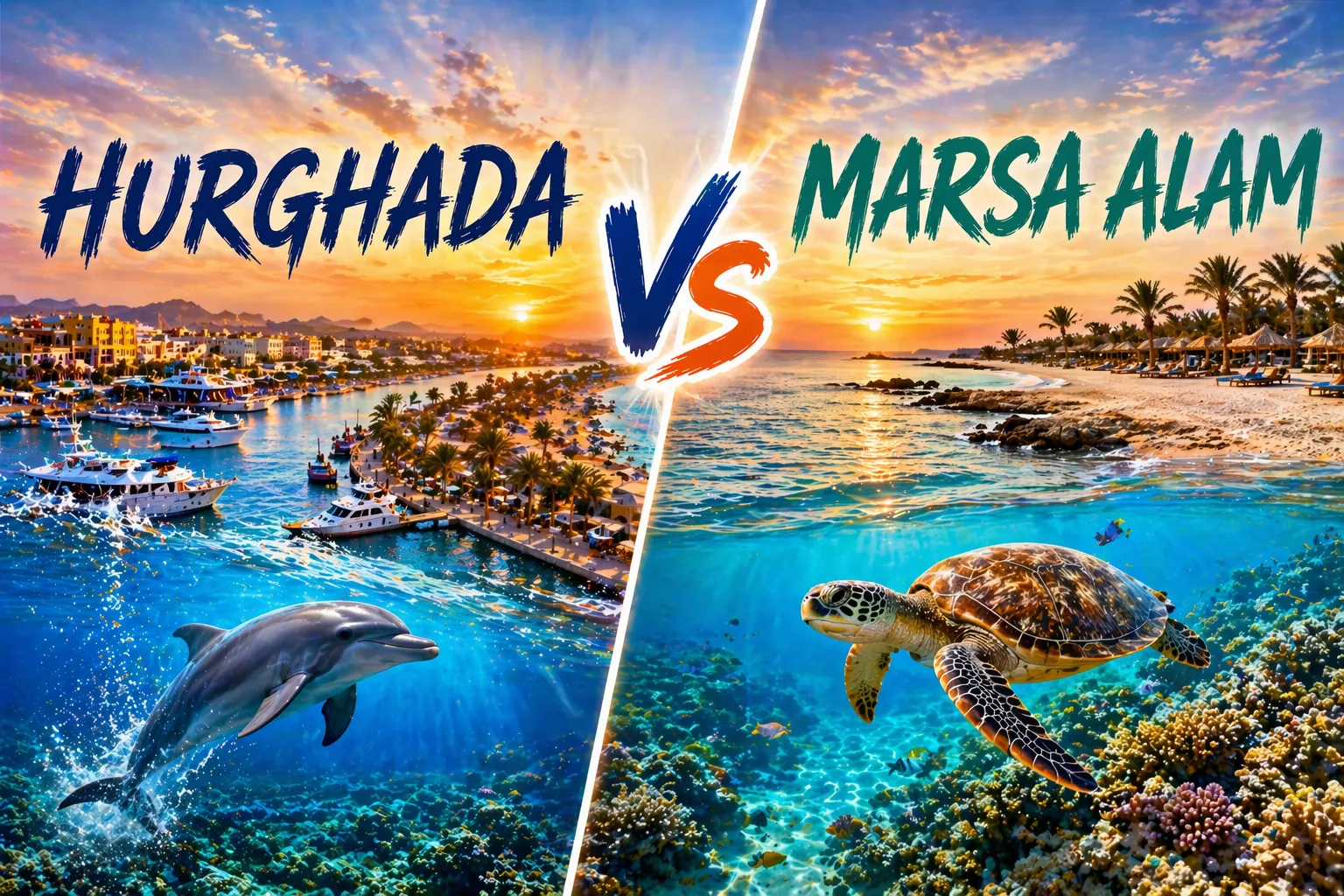
Are you dreaming of turquoise water and sunshine but can’t decide between Hurghada and Marsa Alam? These two Egyptian resorts sit on the same stretch of the Red Sea, yet they offer very different vibes. you’ll learn what makes each place special and which might be perfect for your next vacation. We also include infographics and simple comparisons to help your decision.
Hurghada & Marsa Alam Overview:
Hurghada is a bustling beach city in Egypt. It began as a small fishing village in the early 20th century, but exploded in size after tourism investments in the 1980s. Now it stretches more than 40 km along the coast and is full of hotels, shopping malls, and marinas. Marsa Alam, on the other hand, is a much smaller town located 274 km south of Hurghada with only about 480,000 residents. Its development didn’t really start until the 1990s, and it earned the nickname “Egyptian Maldives” because of the crystal‑clear water and white sandy beaches.
Hurghada Hotels VS Marsa Alam Hotels:
Hurghada is generally considered the cheaper of the two destinations. A comparison by TUI Blue notes that a Red‑Sea holiday in Hurghada typically costs less; Marsa Alam trips are usually “about 100 pounds more expensive,” although bargain deals can still be found. The same source explains that Hurghada offers a larger selection of all‑inclusive hotels and enjoys a “slight price advantage” thanks to higher competition among resorts.
That doesn’t mean Marsa Alam is expensive—another travel guide describes it as one of Egypt’s best‑value destinations despite its remoteness, with excellent prices for hotels and excursions. So if you are looking strictly at cost, Hurghada usually wins because of cheaper flights and a bigger range of budget‑friendly accommodation. However, Marsa Alam remains very affordable and offers a quieter atmosphere and pristine reefs, making it a better choice for travellers who value diving and tranquil beaches over nightlife and large resort complexes.
Comparison infographic
Below is a friendly infographic summarising the key differences. Feel free to save or share it!
| Topic | Hurghada | Marsa Alam |
|---|---|---|
| Location | North‑central Red Sea coast | 274 km south of Hurghada |
| Population | Large city of resorts & locals | Small town (~11,500 people) |
| Vibe | Busy, lively, lots of activities | Quiet, natural, remote |
| Access | 10 min from Hurghada International Airport | Marsa Alam airport (opened 2003); 4 hrs south of Hurghada |
| Climate | Subtropical desert; warm winters & hot summers | Tropical hot desert; steadier temperatures with highs 22–25 °C in January & 33–40 °C in August |
| Sea temp | ~24 °C average; ~21 °C in winter & 28 °C in summer | 22–29 °C throughout the year |
| Best for | Families, first‑time visitors, nightlife | Divers, snorkelers, nature lovers |
Location & accessibility
- Hurghada lies on Egypt’s Red Sea coast roughly halfway between Cairo and the Sudanese border. It’s easy to get to: Hurghada International Airport is just minutes from the main resort strip, and there are frequent direct flights from Cairo and many European cities. Many travellers also arrive by bus from Cairo (a 5–6 hour trip).
- Marsa Alam is further south and more remote. The town sits 274 km south of Hurghada and 134 km south of El Qusier. Marsa Alam International Airport opened in 2003 and handles charter flights mainly from Europe. Travellers can also drive from Hurghada in about 4 hours or take a bus. Because of its distance, Marsa Alam feels wilder and less crowded.
Climate & water temperatures
Both destinations enjoy sunshine year‑round, but their climates differ slightly:
- Hurghada has a subtropical desert climate. Winters (November–March) are warm during the day and cool at night; temperatures average in the high 20s °C by day and drop to ~10 °C at night. Summers (May–September) are very hot—daytime highs can exceed 35 °C, though sea breezes offer relief. The average sea temperature is about 24 °C, ranging from 21 °C in winter to 28 °C in summer.
- Marsa Alam enjoys a tropical hot desert climate with steadier temperatures throughout the year. Average maximum temperatures range 22–25 °C in January and 33–40 °C in August. Sea temperatures hover between 22 °C and 29 °C. Because the temperature change is smoother, Marsa Alam is comfortable even in mid‑winter, while summer remains hot.
Learn More: Forecast Travel Guideline
What it’s like in Hurghada
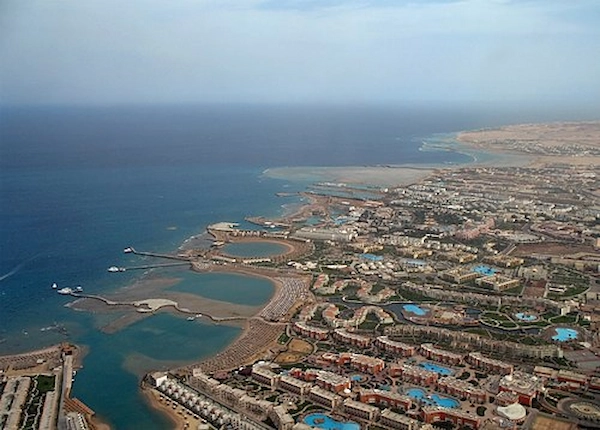
- Lively city life – Hurghada has grown into a bustling resort with countless hotels, beach clubs, restaurants and shopping centres. You can stroll the promenade (Mamsha), visit the modern Marina Boulevard, shop at bazaars and enjoy a lively nightlife scene.
- Water sports destination – Thanks to warm water and reliable winds, Hurghada is famous for windsurfing, kitesurfing, parasailing and sailing. Many dive shops offer snorkeling and scuba diving trips to nearby reefs and islands. The coral reefs off Hurghada are spectacular, with colourful fish and occasional dolphins.
- Excursions & history – Day trips from Hurghada include visiting Giftun or Orange Islands by boat, desert safari adventures, or even overland tours to Luxor and Cairo. The city itself doesn’t have ancient ruins, but it is a handy base for cultural excursions.
- Families & convenience – With so many amenities, Hurghada is well‑suited for families and first‑time visitors. Large resorts offer kids’ clubs, water parks and organized activities. It’s easy to find supermarkets and pharmacies, and English is widely spoken.
What it’s like in Marsa Alam
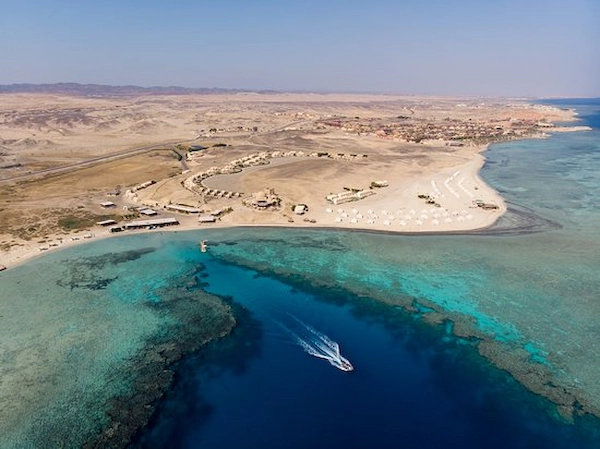
- Quiet & natural – Marsa Alam feels more like a small town. There are fewer hotels, less traffic and hardly any high‑rise buildings. The beaches are wide and unspoiled, often bordered by mangroves and desert mountains.
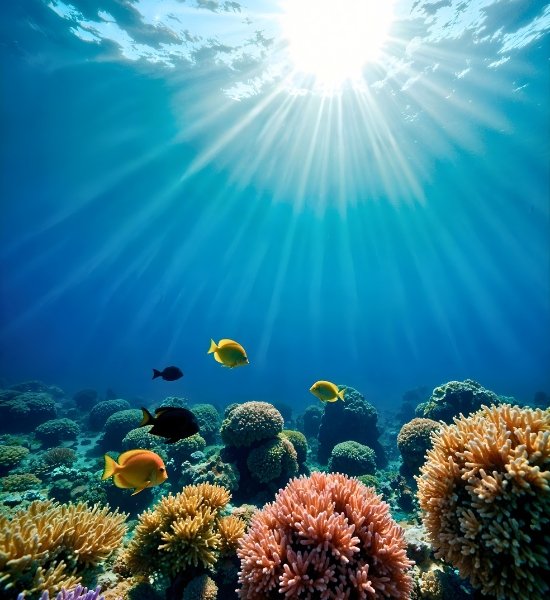
- World‑class diving & snorkeling – The area is famous for its protected reefs such as Elphinstone Reef, Abu Dabab (where dugongs and green sea turtles live) and Dolphin House (Shaab Samadai). Visibility is excellent and there are fewer boats than around Hurghada, making it ideal for underwater explorers.
- Desert & nature reserves – Nearby Wadi el Gemal National Park offers desert landscapes, camel rides, wadis with acacia trees and a coastal area rich in birdlife. You can also visit the ancient emerald mines of Mons Smaragdus or take star‑gazing tours far from city lights.
- Relaxation – Because it’s less developed, Marsa Alam is perfect for travellers looking for peace. There are no huge shopping malls or wild nightlife scenes; evenings are for listening to waves, watching the stars and enjoying fresh seafood.
Sample Itineraries
Here are two simple itineraries to help imagine your trip:
Top Three Hurghada Tours:
- Day 1: Explore the Hurghada desert safari on a Quad trip or Super Safari full activities adventure.
- Day 2: Take a boat trip to Giftun Island for snorkeling, where you can choose between Hula Hula or Orange Beach Island.
- Day 3: Join a day trip to Luxor (to see the temples and Valley of the Kings) or visit a Hurghada city tour to have a walk in Sheraton street and the New Marina.
Explore Best Hurghada Tours
Top Three Marsa Alam Tours:
- Day 1: Explore the Hurghada desert safari on a Quad trip or Super Safari full activities adventure.
- Day 2: Join a day trip to Luxor (to see the temples and Valley of the Kings) or visit a nearby aqua park with the family.
- Day 3: Take a boat to Sataya or Samadai Dolphin House to swim with wild dolphins, or have a walk at Port Ghalib in the evening.
Explore Best Marsa Alam Tours
What to bring on holiday?
- Light summer clothing (shorts, T‑shirts) plus a jacket for cooler evenings in winter.
- Swimsuit & snorkel gear – Most tours provide equipment, but your own mask and snorkel will fit better.
- Sun protection – Sunscreen, sunglasses, a hat and a refillable water bottle.
- Water shoes or sandals to protect your feet on coral or hot sand.
- Camera or action cam – The marine life and desert landscapes are stunning!
- Cash – Some remote areas may not accept credit cards.
Frequently asked questions (FAQs)
Hurghada is great if you want lots of activities, easy access from the airport and a lively atmosphere. Families appreciate the resorts, water parks and shopping, while groups of friends enjoy nightlife. It’s also convenient for day trips to Cairo, Luxor and desert safaris.
Marsa Alam is perfect for divers, snorkelers and nature lovers. Its reefs are less crowded and the sea is home to turtles, dugongs and dolphins. The town is quieter, making it ideal for romantic getaways or anyone seeking tranquillity and unspoiled beaches.
The sea temperature in Hurghada averages around 24 °C and reaches 28 °C in summer. Marsa Alam’s sea ranges from 22 °C to 29 °C, so it can feel slightly warmer overall, especially in winter.
Yes! Many travellers fly into Hurghada, enjoy a few days there and then drive or fly down to Marsa Alam to experience its reefs. This combination gives you the best of both worlds.
Conclusion
Both Hurghada and Marsa Alam offer incredible Red Sea experiences but cater to different types of travellers. If you like lively resorts, nightlife and easy city amenities, Hurghada is your best bet. If you prefer untouched reefs, quiet beaches, and a laid‑back vibe, Marsa Alam will steal your heart. Either way, you’ll enjoy warm sea, vibrant marine life, and a taste of Egyptian hospitality.