Quick Answer: Is Sharm El-Sheikh Worth Visiting?
Sharm El-Sheikh is one of Egypt’s strongest choices for snorkeling, scuba diving, resort holidays and desert adventures. Its biggest attraction is the Red Sea itself, especially the coral reefs around Ras Mohammed National Park and the Straits of Tiran.
It is also much more than a place to sit beside a hotel pool. You can snorkel in the morning, explore the Sinai desert before sunset, walk through the Old Market after dinner, or take a longer trip toward Dahab, Mount Sinai and St Catherine.
Sharm works particularly well for couples, families, divers, winter-sun travelers and anyone who wants to add several relaxing days beside the Red Sea after visiting Cairo.
Egypt’s official tourism portal describes Sharm as a resort city between Ras Mohammed National Park and Nabq Protectorate, with tourism growing strongly from its diving roots in the 1980s. Experience Egypt
Sharm El-Sheikh Highlights
The main reasons to visit are straightforward:
- Snorkel or dive in Ras Mohammed National Park.
- Explore the reefs of the Straits of Tiran.
- Swim above coral at Ras Um Sid.
- Spend an evening in the Old Market.
- See Al Sahaba Mosque.
- Walk around Naama Bay after sunset.
- Visit SOHO Square.
- Watch sunset in the Sinai desert.
- Explore Nabq Protectorate.
- Take a day trip to Dahab.
- Hike Mount Sinai and visit St Catherine’s Monastery if current conditions and travel advice allow.
Where Is Sharm El-Sheikh?
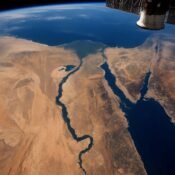
Sharm El-Sheikh sits at the southern end of Egypt’s Sinai Peninsula beside the Red Sea.
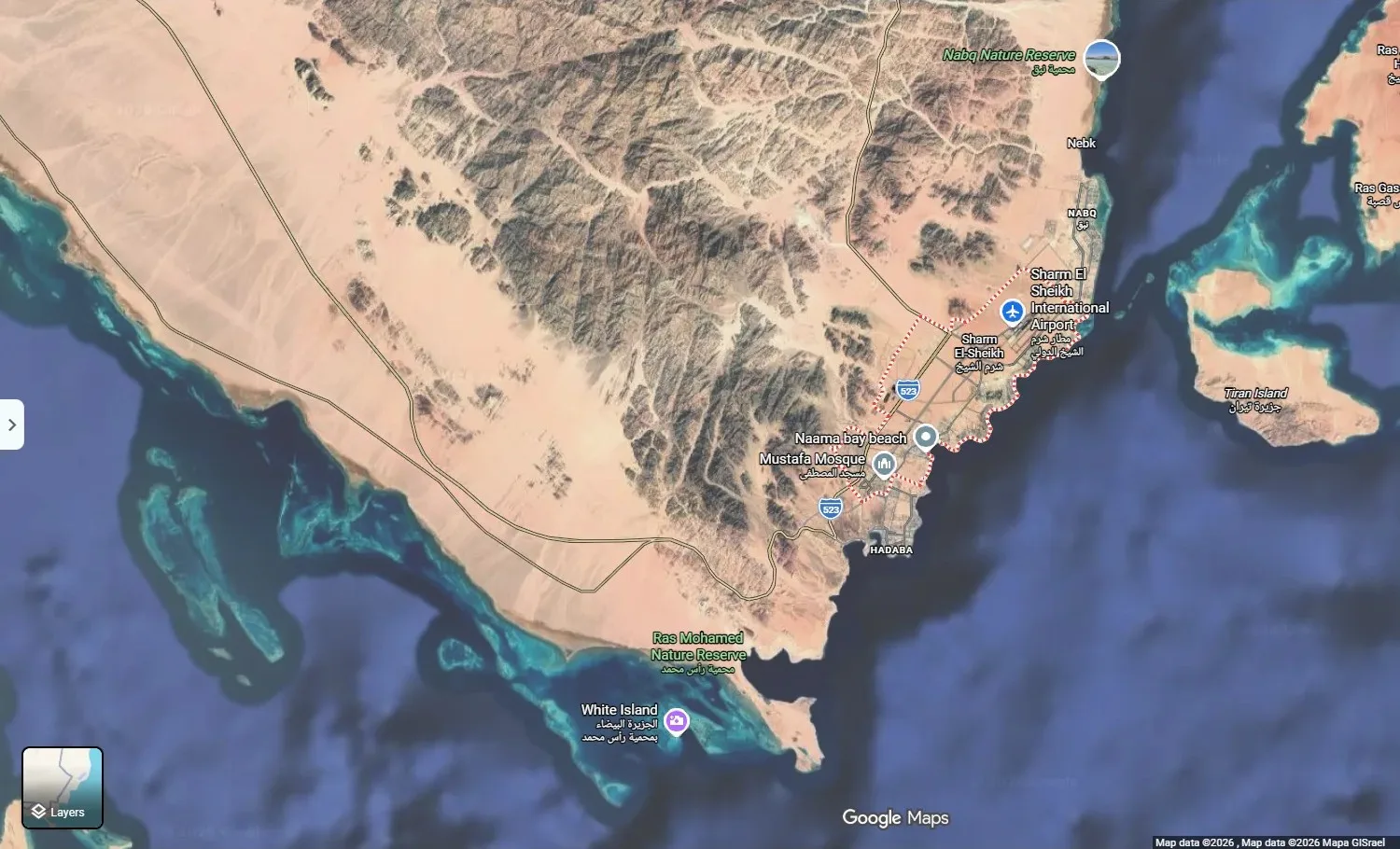
It lies between two important protected areas: Ras Mohammed National Park to the south and Nabq Protectorate to the north. This geography helps explain why marine activities dominate holidays here. Experience Egypt
The main gateway is Sharm El-Sheikh International Airport (SSH). Egypt’s Ministry of Civil Aviation confirms that it handles both domestic and international flights and serves the surrounding resort areas. Civil Aviation Authority
One thing first-time visitors often misunderstand is the shape of Sharm. It is not one compact old city that you explore entirely on foot.
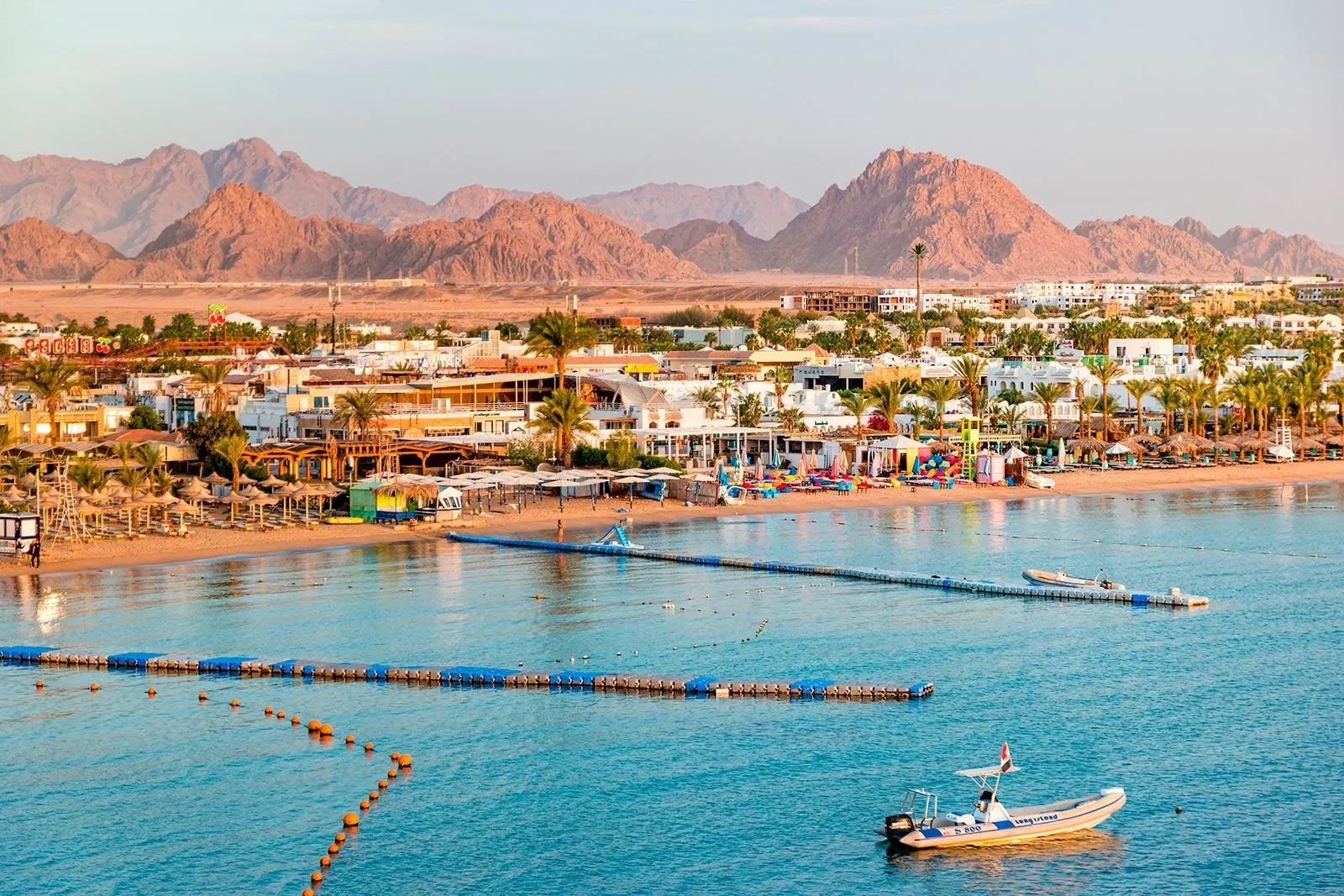
Hotels stretch through several different bays and districts, including Nabq, Shark’s Bay, Naama Bay, Hadaba and Sharm El Maya. Where you stay can therefore change your holiday significantly.
A Short History of Sharm El-Sheikh
Sharm’s international tourism story is relatively recent.
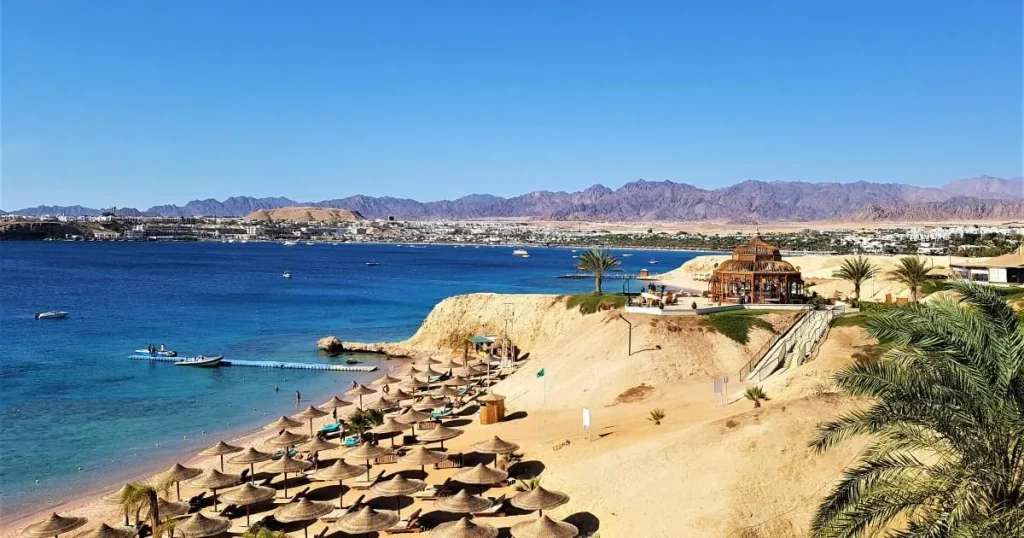
Egypt’s official tourism authority notes that the destination began appearing seriously on the tourism map during the 1980s, initially attracting divers drawn by the coral reefs and undeveloped beaches. Over the following decades it developed into a major resort destination with international hotels, restaurants, entertainment and conference facilities. Experience Egypt
Sharm is therefore very different from Cairo or Luxor.
You do not visit primarily for ancient temples or dense historical neighborhoods. You come mainly for the Red Sea, coral reefs, mountains, desert landscape and resort experience.
That expectation is important. Visitors searching for pharaonic history should combine Sharm with Cairo or Luxor rather than expect Sharm itself to provide the same type of sightseeing.
Best Things to Do in Sharm El-Sheikh
1. Snorkel or Dive at Ras Mohammed National Park
If you choose only one major excursion, Ras Mohammed deserves serious consideration.
Egypt declared Ras Mohammed a protected area in 1983. The park sits where the Gulf of Aqaba and Gulf of Suez meet and protects coral reefs, marine life, mangroves and desert ecosystems. Environmental Affairs Agency
There are two broad ways to experience it.
A boat trip concentrates on snorkeling or diving. A road trip gives you more access to the park’s land features as well as selected snorkeling stops.
Confident snorkelers and divers will usually get more value from a marine-focused trip. Travelers interested in landscapes and photography may prefer the land route.
As currently published by Egypt’s Environmental Affairs Agency, the protected-area visitor fee for a foreign visitor is US$5, while vehicle charges are separate. Tour operators may include these fees in their package, so confirm what is included before booking. The agency also notes that its protected-area fee pages are being updated, so check again close to travel. Environmental Affairs Agency
2. Take a Boat Trip Toward the Straits of Tiran
“Tiran Island” appears on almost every Sharm excursion menu, but there is an important distinction.
For most visitors, the real attraction is not walking around Tiran Island. It is snorkeling or diving around the reef systems of the Straits of Tiran, including reefs such as Jackson, Thomas, Woodhouse and Gordon.
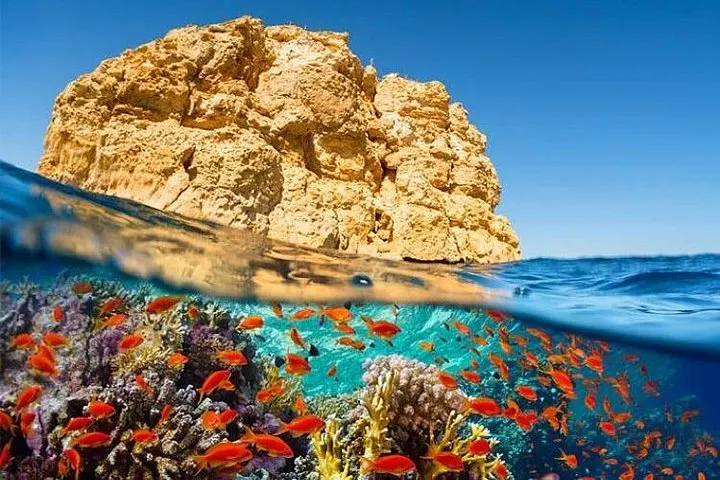
The area is known for coral walls, clear water and strong marine life. Conditions can vary, however, and currents mean guides may choose different stops on different days.
That is a good thing. A responsible captain should choose the day’s sites according to sea and wind conditions rather than follow a rigid itinerary.
3. Try Shore Snorkeling Around Ras Um Sid
You do not need to spend every snorkeling day on a boat.
Ras Um Sid and nearby reef areas are popular because coral can be reached from shore or from hotel/beach access points.
This type of snorkeling works well if you want a shorter trip or prefer not to spend most of the day at sea.
Access rules vary by beach and resort, so check whether entrance fees, loungers or snorkeling access are included before going.
4. Go Scuba Diving
Sharm earned its reputation through diving long before large all-inclusive resorts became the dominant image of the city.
Beginners can find introductory dives and certification courses, while experienced divers have access to more demanding reef and wreck sites.
The important point is to choose the dive according to your certification and experience rather than simply picking the most famous name.
Advanced divers may also know the SS Thistlegorm, the Second World War wreck that is reached on longer dive excursions from Sharm.
For complete beginners, a calm introductory dive with a reputable center is a far better first experience than chasing an advanced site for bragging rights.
5. Explore the Old Market and Al Sahaba Mosque
The Old Market, also known as Sharm El-Sheikh’s old-market district, provides a welcome change from hotel life.
Come later in the afternoon or evening when temperatures become more comfortable. You will find souvenir stalls, spice shops, cafés, restaurants and plenty of places selling seafood and Egyptian food.
The striking Al Sahaba Mosque dominates the area and has become one of Sharm’s most recognizable landmarks.
Visitors should dress respectfully around religious buildings and avoid entering during prayer if visitor access is restricted.
The Old Market is still a tourism-oriented area, so do not expect an untouched traditional village. Its value is simply that it feels very different from the self-contained resorts.
6. Spend an Evening in Naama Bay
Naama Bay remains one of Sharm’s easiest areas for an evening outside the hotel.
Restaurants, cafés, shops and entertainment line the pedestrian areas, and the atmosphere becomes livelier after sunset.
Naama is particularly useful for travelers who dislike being dependent on taxis every evening.
Families can walk around earlier in the evening, while restaurants and nightlife continue much later.
7. Visit SOHO Square
SOHO Square provides a more polished and purpose-built evening experience.
It has restaurants, shops and entertainment and works well for families or couples who want an easy evening without planning a full excursion.
I would treat it as an evening activity rather than one of Sharm’s essential sightseeing attractions. The reefs and Sinai landscape are much more distinctive to the destination.
8. See Sunset in the Sinai Desert
The contrast between the Red Sea and the dry mountains is one of the things that makes Sharm different from a simple beach resort.
Desert trips range from quad-bike outings to 4WD excursions, camel rides, dinners and stargazing experiences.
Quality varies considerably.
A good trip should give you time to enjoy the landscape rather than moving a huge group rapidly between staged stops. Ask about group size, actual riding time, safety equipment and what the “Bedouin experience” really includes before booking.
For desert areas away from the main resort zone, use established, approved operators and follow current local and government travel guidance.
9. Explore Nabq Protectorate
Nabq is an excellent alternative for travelers who want nature without spending another full day on a conventional boat.
Egypt’s official tourism portal describes the protected area north of Sharm as more than 600 square kilometers of desert, coastline and mangrove habitat, with opportunities for activities such as hiking and paddling. Experience Egypt
It is particularly interesting for visitors who have already seen Ras Mohammed and want to understand another side of South Sinai’s environment.
10. Take a Day Trip to Dahab
Dahab has a different personality from Sharm.
The pace is slower, the town feels more compact, and diving and snorkeling remain central to its identity.
Day tours from Sharm often combine Dahab with natural attractions elsewhere in South Sinai.
Do not try to pack too many stops into one day. A tour promising a canyon, snorkeling, shopping, camels, multiple viewpoints and a full Dahab visit may spend more time moving between places than enjoying them.
11. Visit Mount Sinai and St Catherine’s Monastery
This is one of the most significant excursions available from Sharm, but it requires much more effort than a beach or snorkeling trip.
The Saint Catherine Area has been a UNESCO World Heritage Site since 2002. UNESCO describes the sixth-century monastery as the oldest Christian monastery still operating continuously for its original function, and the wider area is sacred to Christianity, Islam and Judaism. UNESCO World Heritage Centre
Sunrise tours generally involve traveling overnight and hiking before dawn.
This trip is better for travelers who are comfortable walking uphill for several hours and dealing with cold temperatures at altitude before sunrise.
Schedules, routes and access can change, so confirm the latest arrangements rather than relying on an old blog post.
12. Choose a Glass-Bottom or Semi-Submarine Trip
Not everybody wants to snorkel.
Families with small children, nervous swimmers and travelers with limited mobility may still be able to see part of the Red Sea’s marine world through glass-bottom or semi-submarine excursions.
It cannot match snorkeling for immersion, but it can be a much easier option for a mixed-age family.
13. Enjoy a Proper Beach Day
It sounds obvious, yet many activity-heavy itineraries forget that Sharm is still a resort destination.
Keep at least one morning or afternoon free.
The sea is the main reason the city developed, and there is little sense flying to the Red Sea only to spend seven days rushing from pickup to pickup.
14. Try Water Sports
Depending on the beach and operator, activities may include parasailing, kayaking and other water sports.
Always check safety equipment and weather conditions rather than choosing solely by price.
15. Watch the Stars Away from the Resort Lights
A desert evening can be especially enjoyable after several days around busy beaches and boats.
The farther you travel from hotel lighting, the better the night sky becomes.
For many couples and families, a quieter desert evening is more memorable than trying to squeeze another attraction into an already full day.
Where to Stay in Sharm El-Sheikh
Choosing the correct area matters almost as much as choosing the hotel.
| Area | Best for | What to know |
|---|---|---|
| Naama Bay | First-time visitors, restaurants, evening walks | One of the most convenient areas outside a resort |
| Shark’s Bay | Reef access, couples, upscale resorts | Convenient for the airport and SOHO area |
| Nabq Bay | Families, large all-inclusive resorts | More spread out; some exposed areas can feel windy |
| Hadaba / Ras Um Sid | Snorkeling, quieter stays | Strong reef access; taxis useful for evenings elsewhere |
| Sharm El Maya / Old Market | Food and local evening atmosphere | Better for exploring than resort-style seclusion |
One question is more important than the number of swimming pools:
How do you enter the sea?
Some hotels have sandy, shallow entries. Others sit above coral reef flats and use a jetty to reach deeper water.
Families with young children and nervous swimmers should check this carefully before booking.
Divers and confident snorkelers may prefer an excellent house reef even if the beach itself is less suitable for paddling.
Best Time to Visit Sharm El-Sheikh
Sharm is a year-round destination, but the experience changes considerably with the season.
March to April and October to November offer an excellent balance for most visitors. Days are warm, the sea is pleasant and desert activities are easier than during peak summer heat.
December to February works well for winter sunshine, but evenings can feel cool and wind matters more on boat days.
June to August brings serious heat. Egypt’s official tourism material shows summer daytime highs reaching the upper 30s Celsius in Sharm. The advantage is very warm seawater. Experience Egypt
If your priority is snorkeling and resort relaxation, summer can still work.
If you want desert safaris, Old Market walks and mountain excursions as well, spring and autumn are easier.
How Many Days Do You Need in Sharm El-Sheikh?
For most first-time visitors:
3 nights: enough for a quick Red Sea break.
5 nights: enough for a marine excursion, desert experience, evenings around town and some beach time.
7 nights: my preferred length if you want Ras Mohammed, another snorkeling or diving day, a Sinai trip and proper time to relax.
Certified divers can easily stay longer without running out of reasons to enter the water.
Suggested 5-Day Sharm El-Sheikh Itinerary
Day 1: Arrive, settle into the hotel and spend the evening in Naama Bay or SOHO Square.
Day 2: Full-day Ras Mohammed snorkeling or diving trip.
Day 3: Relax in the morning, then take a desert sunset and stargazing excursion.
Day 4: Shore snorkeling around Ras Um Sid or a second marine trip toward the Straits of Tiran. Visit the Old Market and Al Sahaba Mosque in the evening.
Day 5: Keep the day flexible. Choose a beach day, Nabq, a short family activity or a longer Dahab excursion depending on your departure time.
For seven nights, add another relaxed resort day and Mount Sinai/St Catherine or Dahab rather than turning every day into an excursion.
Getting to and Around Sharm El-Sheikh
International travelers usually arrive through Sharm El-Sheikh International Airport (SSH). Civil Aviation Authority
Hotels may arrange transfers, and private airport transfers are easy to pre-book.
Inside Sharm, taxis and hotel transfers are practical because attractions are spread between different bays.
If using a taxi without a fixed-price booking, agree on the fare before leaving.
Do not expect to walk from Nabq to Naama Bay or from Naama Bay to the Old Market. Think of Sharm as a series of resort districts connected by road.
Sharm El-Sheikh Visa and Entry Rules
This subject deserves care because rules depend on nationality and itinerary.
Egypt’s official e-Visa portal currently lists tourism e-Visas at US$25 for a single entry and US$60 for multiple entry, subject to eligibility by nationality. The portal says passports should remain valid for at least six months from arrival. Visa2Egypt
Some visitors staying only in designated South Sinai resorts for a short period may qualify for a free Sinai entry permission rather than a full Egyptian visa.
For example, current UK government guidance states that eligible British travelers arriving by air in Sharm, staying fewer than 15 days and remaining in Sharm El-Sheikh, Dahab, Nuweiba or Taba can receive free entry permission. A normal visa is required if they plan to travel farther into Egypt or stay longer. GOV.UK
The practical rule: if Cairo, Luxor, Hurghada or another destination outside the Sinai permission area is part of your itinerary, check the full Egyptian visa requirements for your nationality before traveling.
Never rely on a travel blog alone for immigration rules.
Is Sharm El-Sheikh Safe for Tourists?
Travel advice needs more nuance than a simple yes or no.
Current UK guidance distinguishes the Red Sea tourist areas in southern Sinai from areas farther north and states that security forces conduct routine checks to protect resorts including Sharm El-Sheikh. It also advises travelers to arrange activities outside resort areas through approved agents or operators. GOV.UK
The current U.S. advisory recommends increased caution in Egypt overall and advises against travel to Northern and Middle Sinai, while separately mentioning Sharm and other southern Sinai destinations. Travel State
Travel advice can change quickly, particularly when regional tensions affect the Middle East.
Check the advice issued by your own government, not just advice written for another nationality, shortly before departure and again before longer excursions outside Sharm.
Sharm El-Sheikh or Hurghada?
Both are excellent Red Sea destinations, but they are not interchangeable.
Choose Sharm El-Sheikh if your priorities are reef snorkeling, scuba diving, Ras Mohammed, dramatic Sinai scenery and trips toward Dahab or Mount Sinai.
Choose Hurghada if you want easier access to Luxor, a broad range of mainland Red Sea excursions and a different resort-city experience.
Travelers planning a classic Egypt itinerary involving ancient temples may find Hurghada easier to combine with Luxor.
Travelers coming primarily for coral reefs may find Sharm especially attractive.
You can compare other Red Sea options in Sunny Egypt Trips’ existing Hurghada or Marsa Alam guide. Sunny Egypt Trips
What Should You Bring to Sharm El-Sheikh?
Pack for strong sun, salt water and desert conditions:
- High-SPF sun protection
- Hat and sunglasses
- Comfortable sandals
- Closed shoes if taking mountain or desert trips
- Swimwear
- Rash guard or UV swim shirt
- Your own snorkeling mask if you prefer a reliable fit
- Light breathable clothes
- A light jacket for winter evenings and early-morning excursions
- Refillable water bottle
- Small amount of Egyptian-pound cash
- Travel insurance details
- Copies of travel documents
- Any personal seasickness medication you normally use
For Mount Sinai, prepare for temperatures very different from those beside the hotel pool.
Protect the Coral Reef
The reefs are not decorations. They are living ecosystems.
Inside protected areas, Egyptian environmental rules prohibit collecting or damaging coral, shells, animals, plants and other natural material. Fish feeding and fishing are also prohibited. Environmental Affairs Agency
When snorkeling:
Do not stand on coral.
Do not chase turtles or other wildlife.
Do not take shells home.
Do not feed fish.
Keep fins away from shallow coral.
Follow the guide when currents are present.
A beautiful reef stays beautiful only when thousands of individual visitors make sensible choices.
Why Choose Sharm El-Sheikh?
Choose Sharm when the Red Sea itself is part of the reason for your journey.
You can spend a relaxed resort holiday here without planning much, but Sharm becomes more rewarding when you leave space for at least one reef trip and one experience away from the coast.
Ras Mohammed gives the destination international diving importance. The Sinai desert adds a completely different landscape. Naama Bay and the Old Market provide easy evenings. Dahab, St Catherine and Mount Sinai expand what is possible on a longer stay.
And if you are already traveling through Egypt, Sharm can work very well at the end of a Cairo or Nile-focused journey.
After several busy days among museums, pyramids and temples, a few mornings beside the Red Sea can be exactly the change of pace you need.
Sunny Egypt Trips already covers Cairo, Luxor, Hurghada and Marsa Alam, so travelers planning a longer Egypt journey can compare the different regions rather than treating every Red Sea resort as the same destination.
FAQ (People Also Ask)
What is Sharm El-Sheikh best known for?
Sharm El-Sheikh is best known for coral reefs, scuba diving, snorkeling, resort hotels and the surrounding Sinai desert. Ras Mohammed National Park and reefs around the Straits of Tiran are among its headline marine attractions. Environmental Affairs Agency
What are the best things to do in Sharm El-Sheikh?
For most first-time visitors, the strongest choices are Ras Mohammed, a Tiran reef boat trip, snorkeling or diving, a desert excursion, the Old Market, Naama Bay and one relaxed beach day.
Is seven days enough for Sharm El-Sheikh?
Yes. Seven nights gives most travelers enough time for two marine days, a desert trip, local evenings and several relaxed resort days without rushing.
Is Sharm El-Sheikh good if I do not dive?
Yes. Snorkeling, glass-bottom boats, beaches, desert trips, Nabq, the Old Market, SOHO Square, Dahab and Mount Sinai provide plenty to do without scuba diving.
Can beginners snorkel in Sharm El-Sheikh?
Yes, but site selection matters. Some reefs have currents or deep-water entry. Beginners should choose calm areas and follow local guides rather than assuming every famous snorkeling location is beginner-friendly.
Which area of Sharm El-Sheikh is best to stay in?
Naama Bay suits visitors who value restaurants and walkability. Shark’s Bay works well for reef-focused and upscale stays. Nabq has many large family resorts. Hadaba and Ras Um Sid are attractive for snorkeling.
Is Sharm El-Sheikh better than Hurghada?
It depends on your itinerary. Sharm is particularly attractive for reef-focused trips and South Sinai experiences. Hurghada has practical advantages for travelers combining their Red Sea stay with Luxor.
Can I visit Cairo from Sharm El-Sheikh?
Yes. Domestic flights make Cairo possible as a separate stop or organized excursion. If Cairo is an important part of your holiday rather than a quick add-on, staying there overnight will usually give you a less rushed experience.
Do I need a visa for Sharm El-Sheikh?
Visa requirements depend on your nationality and where you intend to travel in Egypt. Egypt has an official e-Visa system, while some short South Sinai-only itineraries may qualify for special entry permission. Check the official Egyptian rules for your passport before departure. Visa2Egypt
What is the best time to visit Sharm El-Sheikh?
March-April and October-November are particularly comfortable for combining the beach with sightseeing and desert activities. Winter provides mild sunshine but cooler evenings, while summer is very hot but has warm sea conditions.
Can you swim in Sharm El-Sheikh in winter?
Generally yes, although comfort depends on the individual, the wind and the specific day. Many visitors still snorkel and dive during winter, but a wetsuit can make longer sessions more comfortable.
Is Sharm El-Sheikh suitable for families?
Yes, but choose the hotel carefully. Families with small children should check whether the beach has shallow sandy access rather than only deep-water entry from a jetty.